
22 September 2026
Styling a Digital Canvas in a Traditional or Historic Home
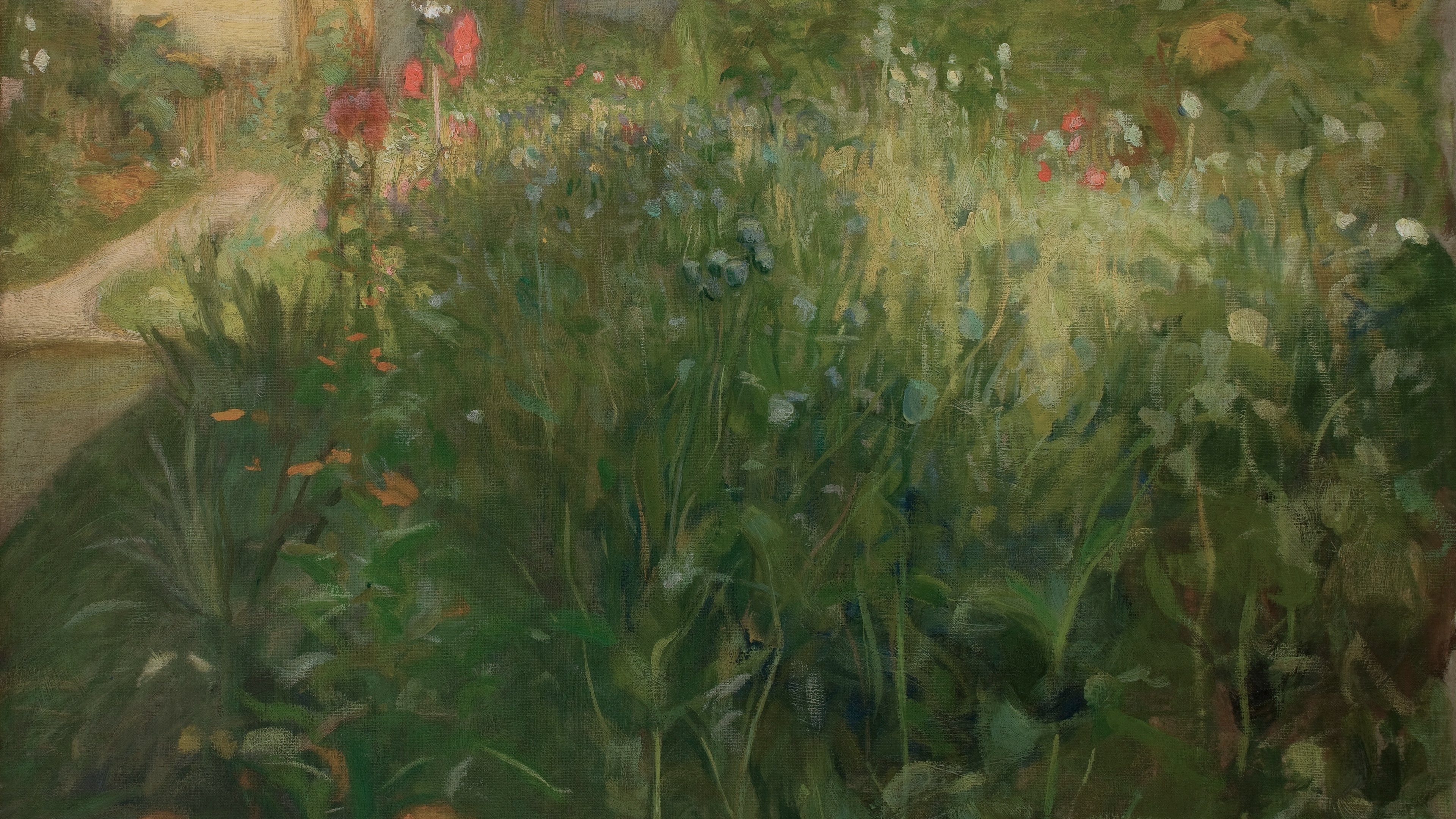
Integrating a modern 4K digital canvas into a historic property or traditional living room requires a delicate balance. In a space characterised by classic architectural details—such as crown moulding, heavy wood beams, or natural stone hearths—a standard television can easily break the immersion of the room.
Frame-style televisions, when paired with carefully curated digital art, offer a seamless solution. Here is how to harmonise digital displays with traditional interiors.
1. Embrace the Matte Finish
The key to selling the illusion of physical art is the matte screen. Ensure your television's brightness is turned down significantly, and the colour temperature is set to 'warm'. Traditional living rooms often feature warmer, more ambient light levels, illuminated by table lamps and fireplaces rather than harsh overhead lighting. Your screen should mimic how light naturally falls on canvas or heavy paper.
2. Choose Period-Appropriate Palettes
High-contrast, hyper-realistic digital photography will immediately look out of place above a traditional mantelpiece. Instead, opt for artworks that complement the natural tones of the room.
- Earthy Neutrals: Pastoral landscapes and muted botanical studies.
- Deep Greens and Indigos: To contrast beautifully against warm wood tones and brickwork.
- Textured Mediums: Look for digital files that retain the visual texture of oil paint on canvas, or the grain of 18th-century paper.
3. The Digital Matting Rule
When displaying art in a historic setting, avoid the artificial white mats generated by the television's native software. A stark white digital border emits light and looks distinctly electronic. Instead, display full-bleed 16:9 master files, allowing the physical wooden or metallic bezel of the television to act as the sole frame.
By treating the screen as a dynamic gallery space rather than an electronic appliance, the technology recedes, allowing the character of the property to take centre stage.